Mary Street by Edition Office
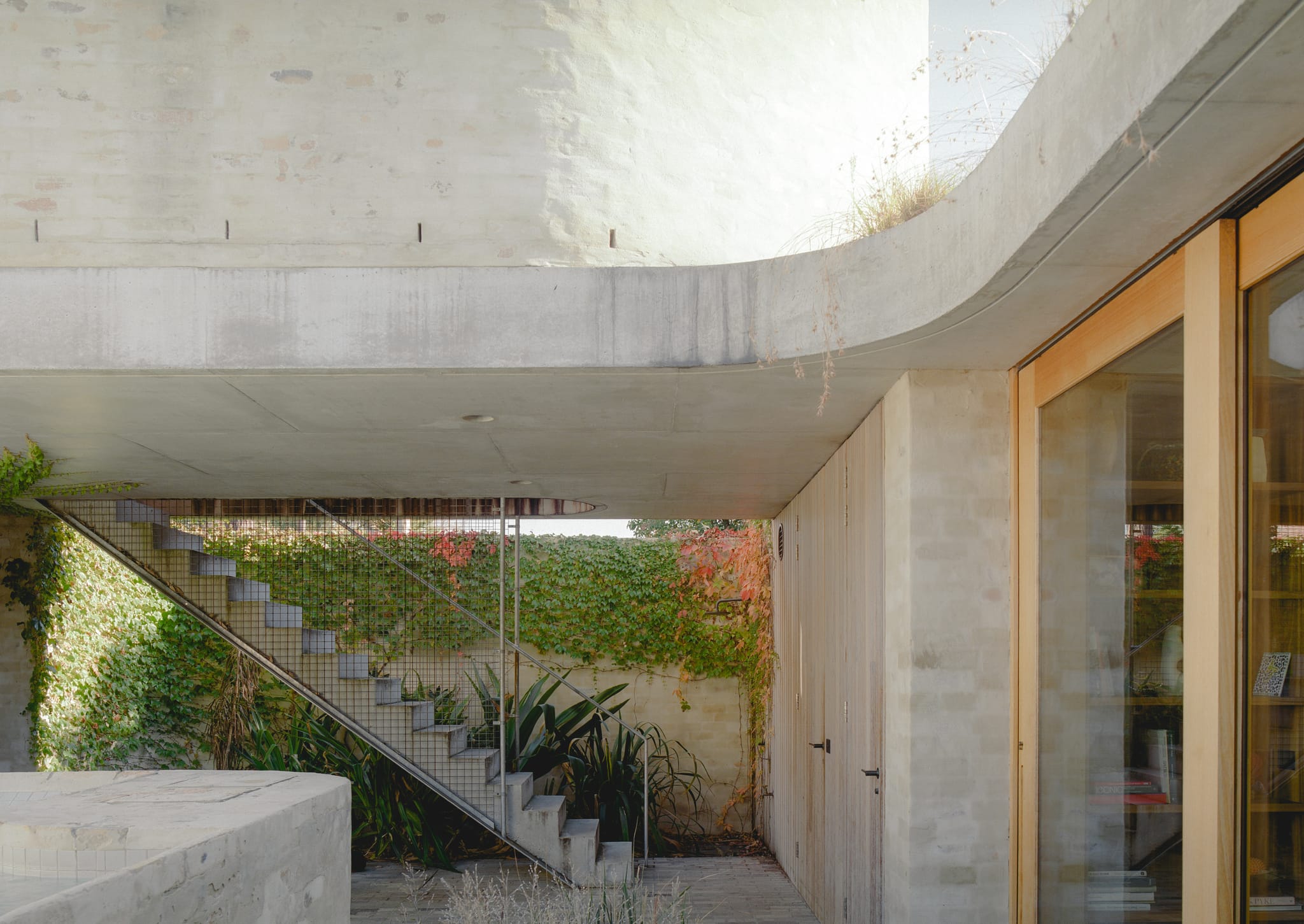
The Mary Street House is a reimagining of a well-worn Federation home, its original brickwork reinterpreted as the language of a new addition.
A residence in St Kilda is given new form by Edition Office, its original brickwork carried forward into a considered extension of indoor and outdoor rooms.
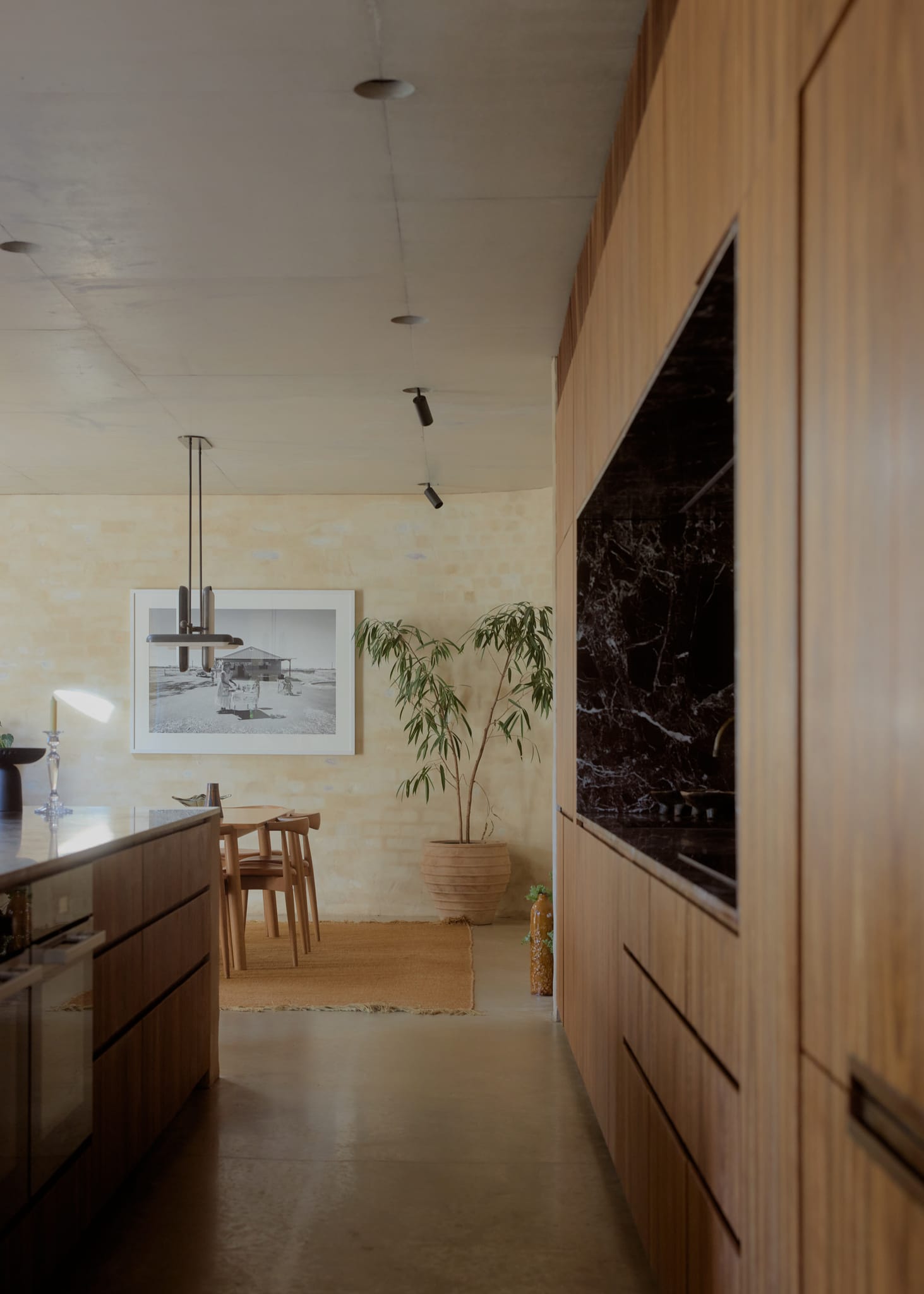
An Exploration in Restraint
Navigating a heritage structure asks for a responsive hand, and Edition Office’s approach at Mary Street favours restraint over restoration for its own sake. At the front of the site, the original Federation dwelling remains legible, its proportions held as the starting point for everything that follows toward the rear. Edition Office treated the join between old and new not as a seam to disguise, but as a considered threshold; the point where the home’s history gives way to its next chapter, marked by a change of material rather than concealed within it.
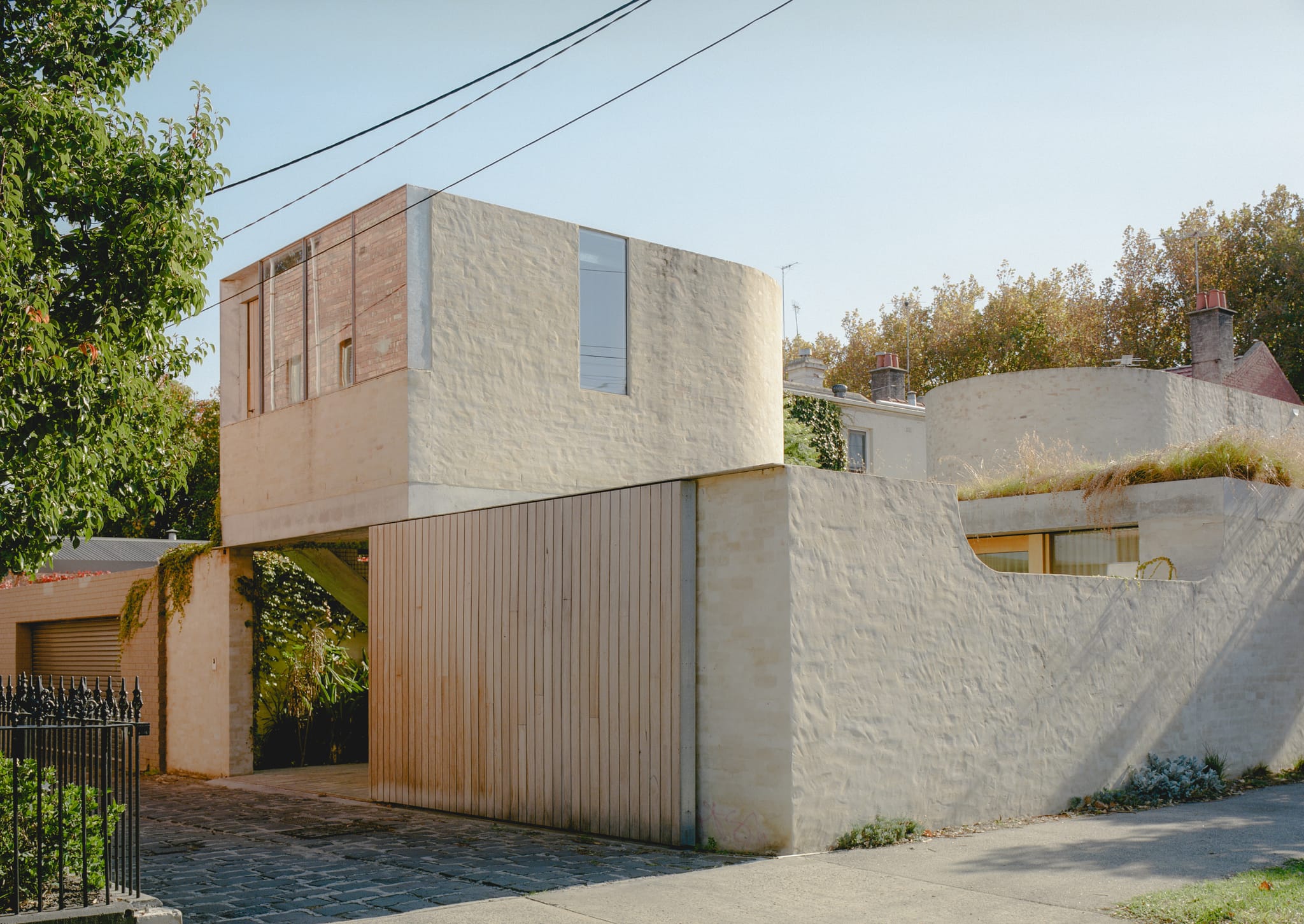
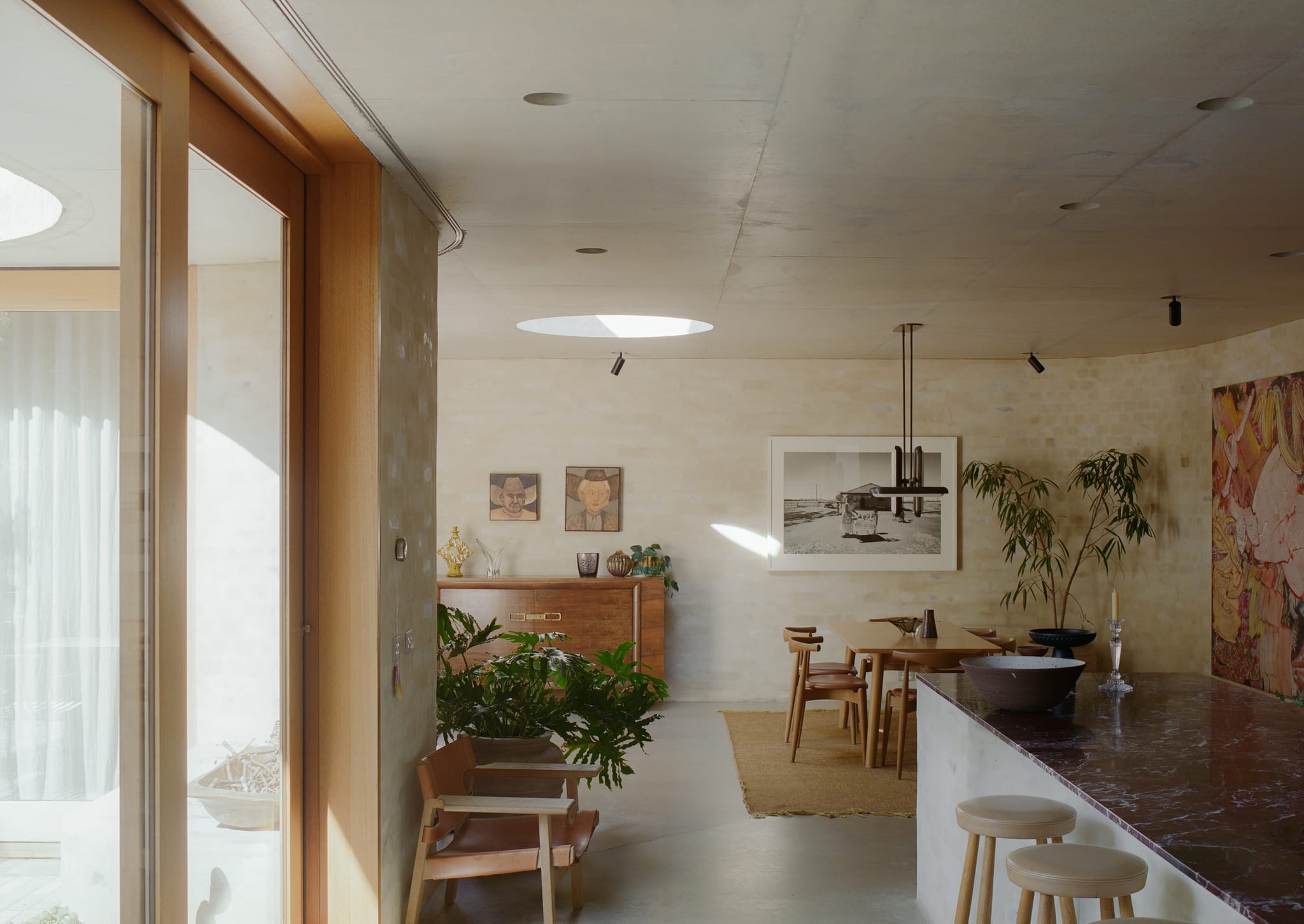
Material Continuity
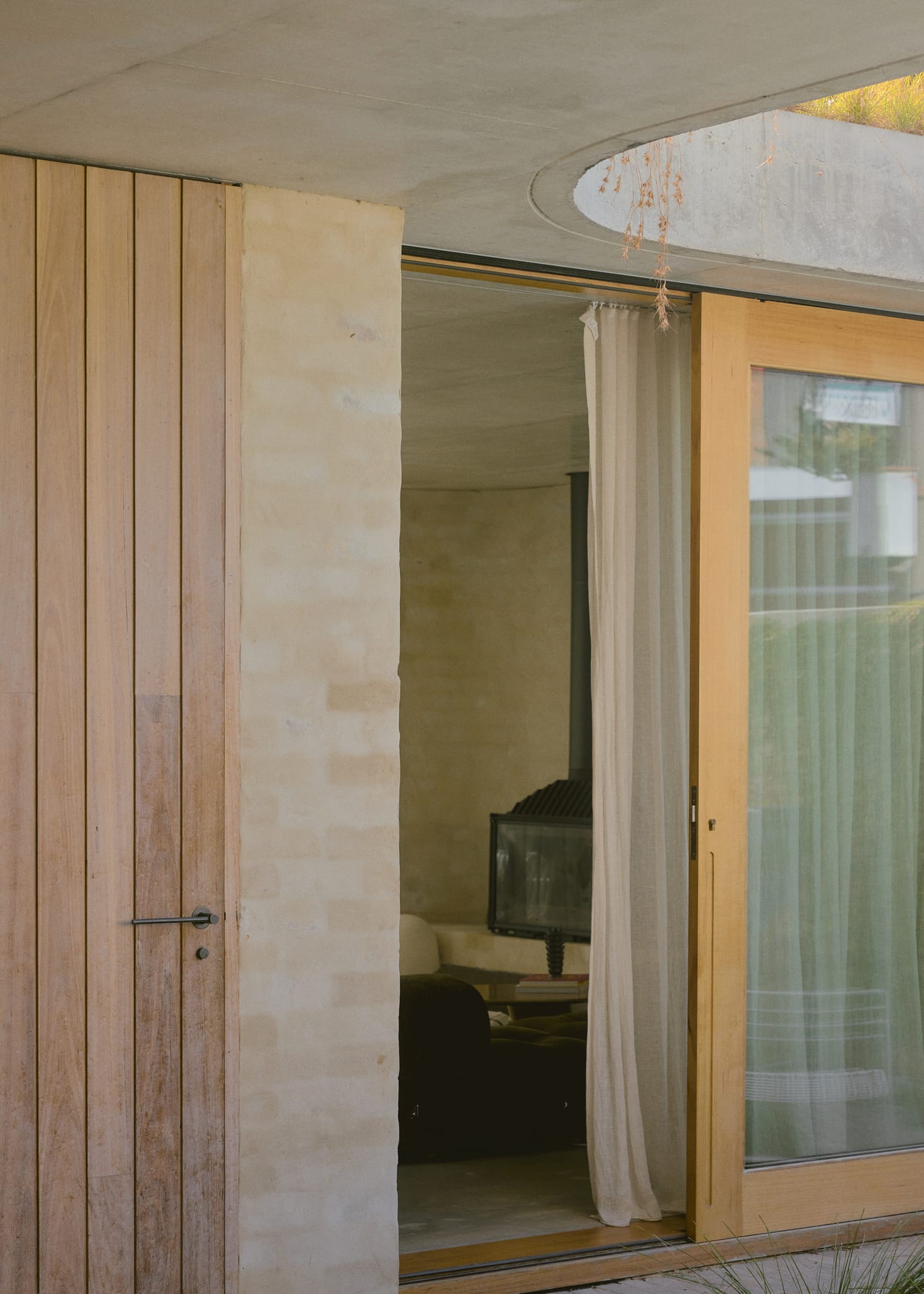
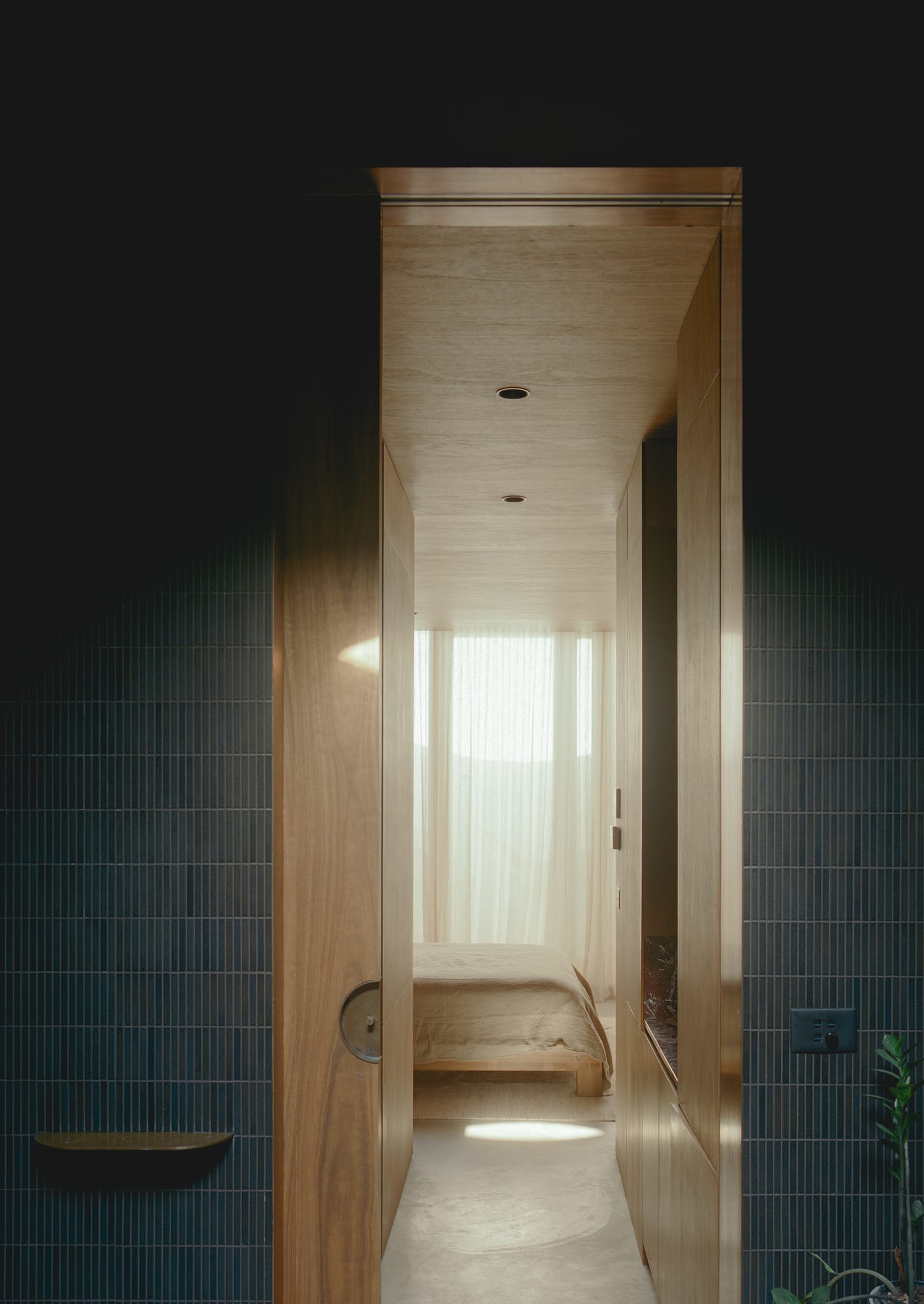
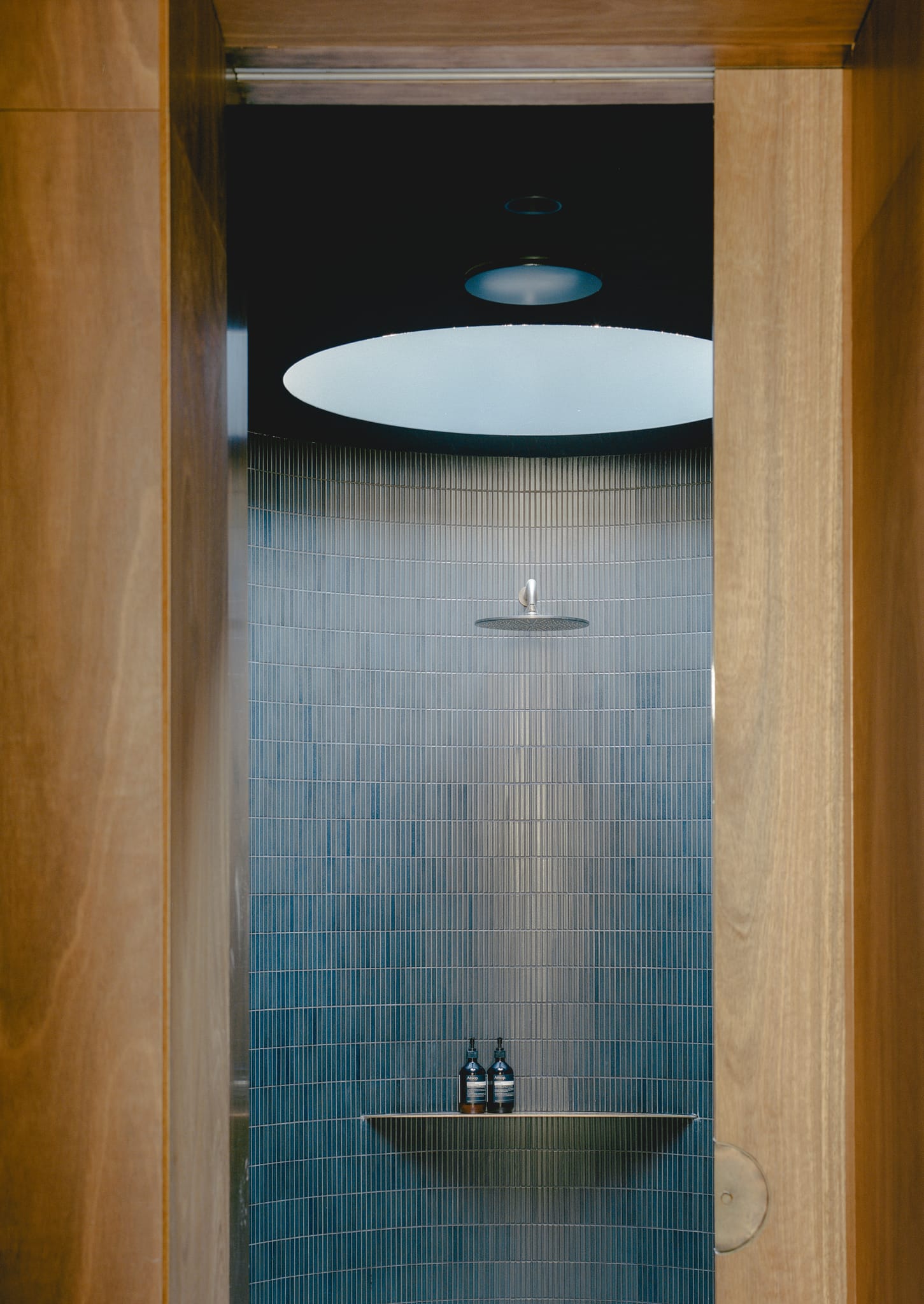
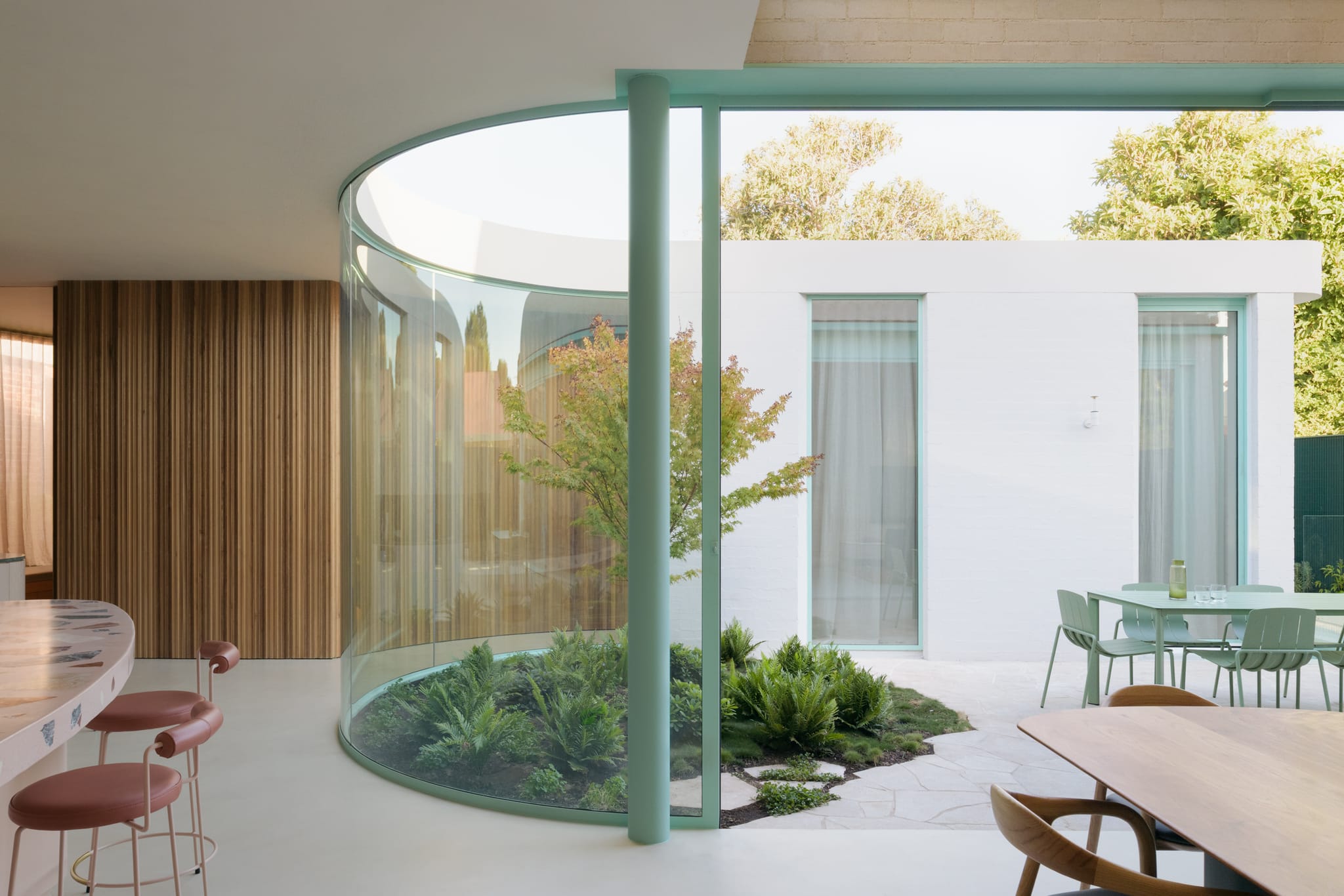
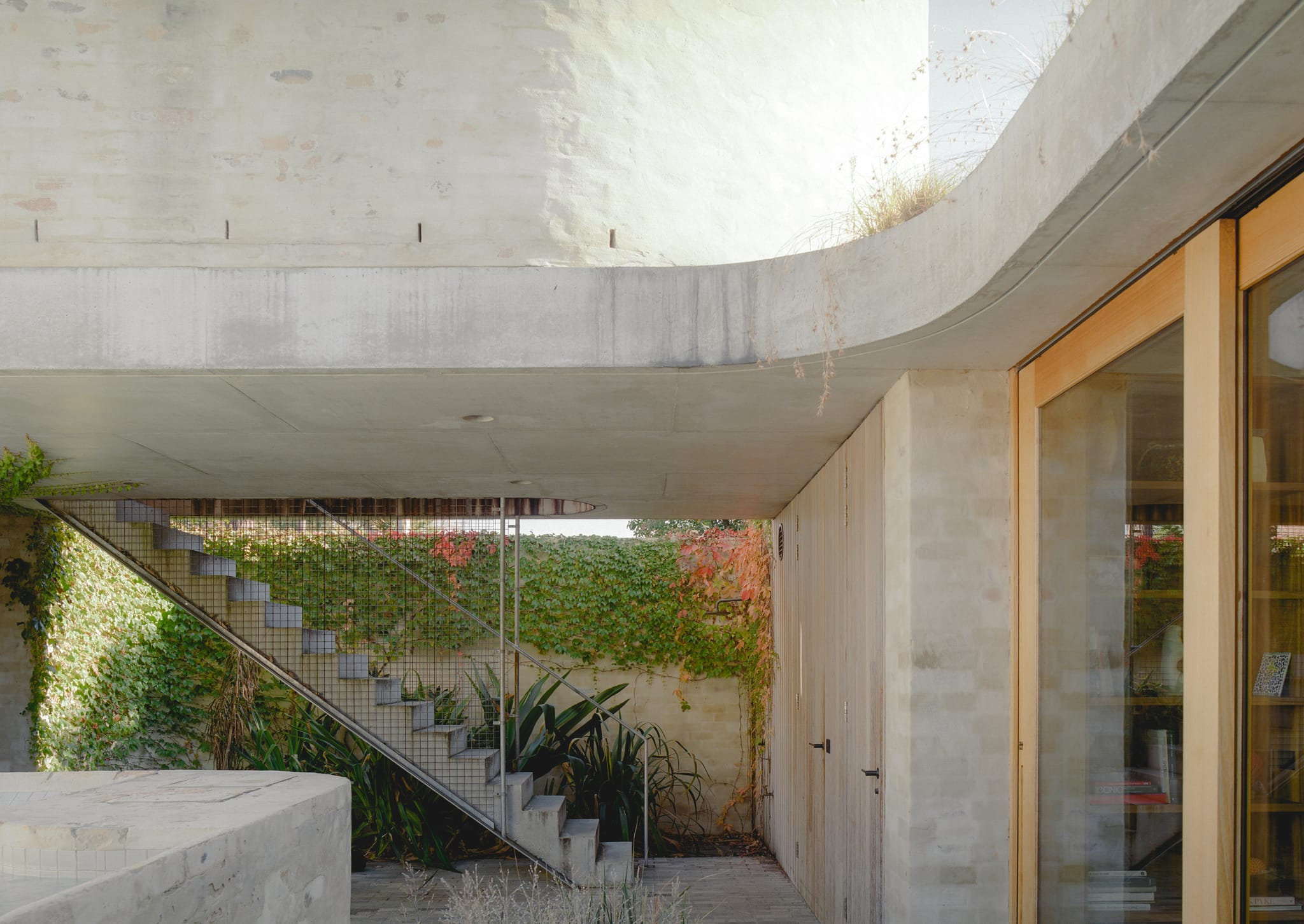
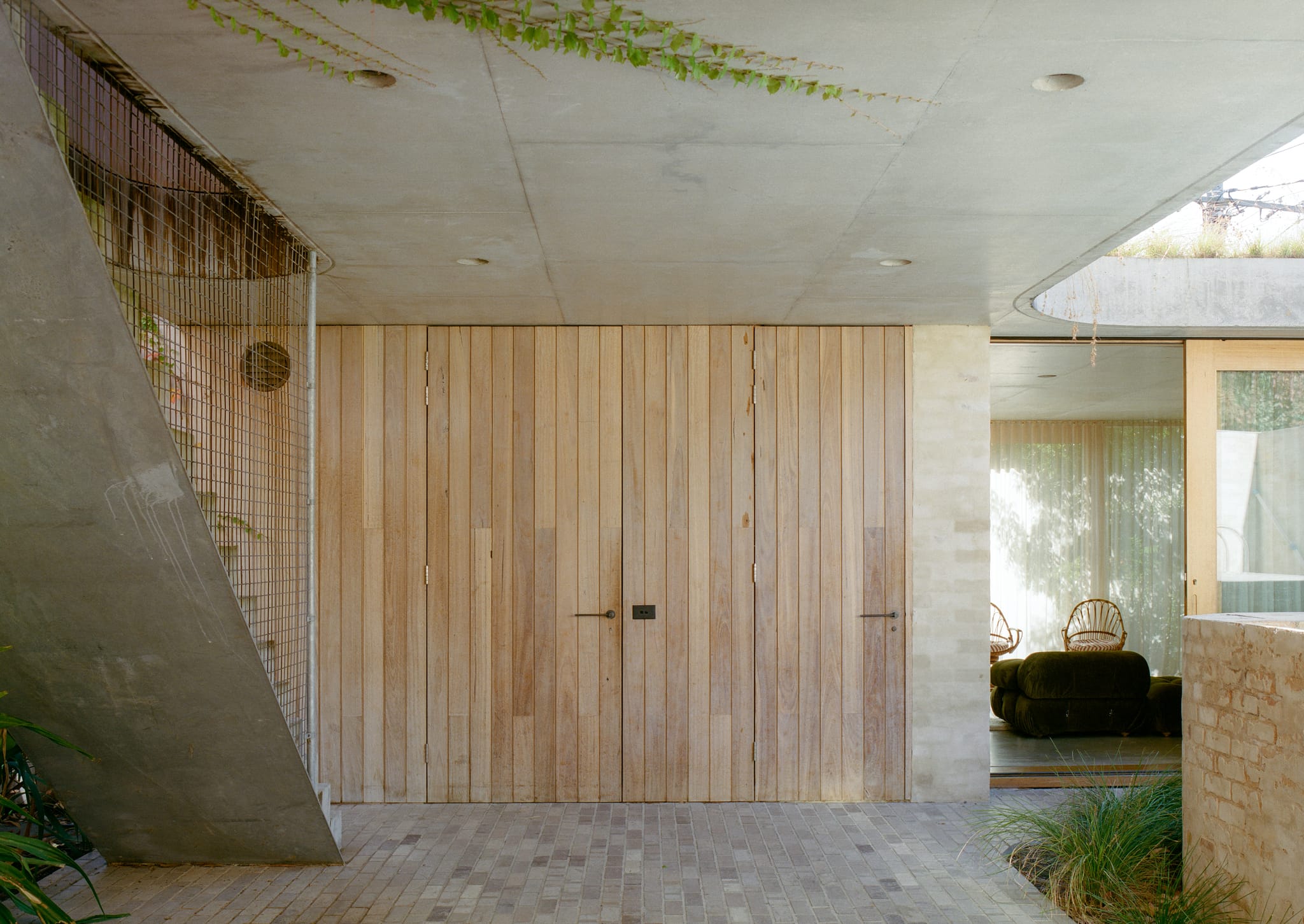
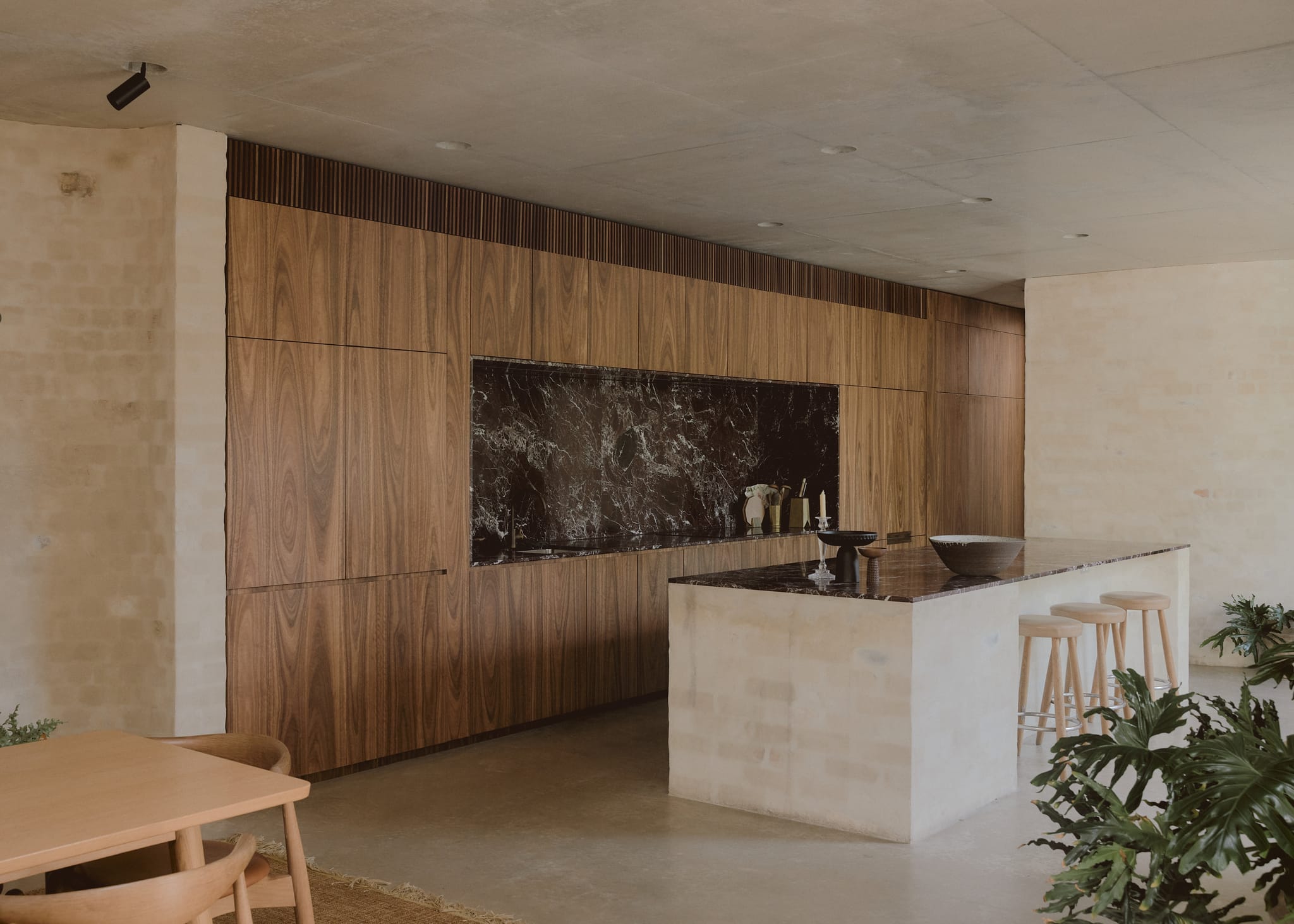
Set at the end of its street, the site is open on three sides — to a tree-lined boulevard, a busy arterial road, and a narrow laneway. Edition Office meets this exposure directly, drawing a bagged-brick wall around the site’s perimeter to hold the street at a distance and give the home a sequence of private courtyards in return. Traced from the footpath, the house reads as a single continuous form, its curved corners softening the block into something closer to a shaped mass than a conventional facade — its pale, textured brick set apart from the red brick and terracotta tile that line the rest of the street. Behind this wall, the home is organised as a sequence of indoor and outdoor rooms. Two brick volumes sit atop a planted concrete roof at the rear, lined internally in deep-toned spotted gum plywood — one housing the main bedroom suite and its own courtyard garden, the other a small studio.
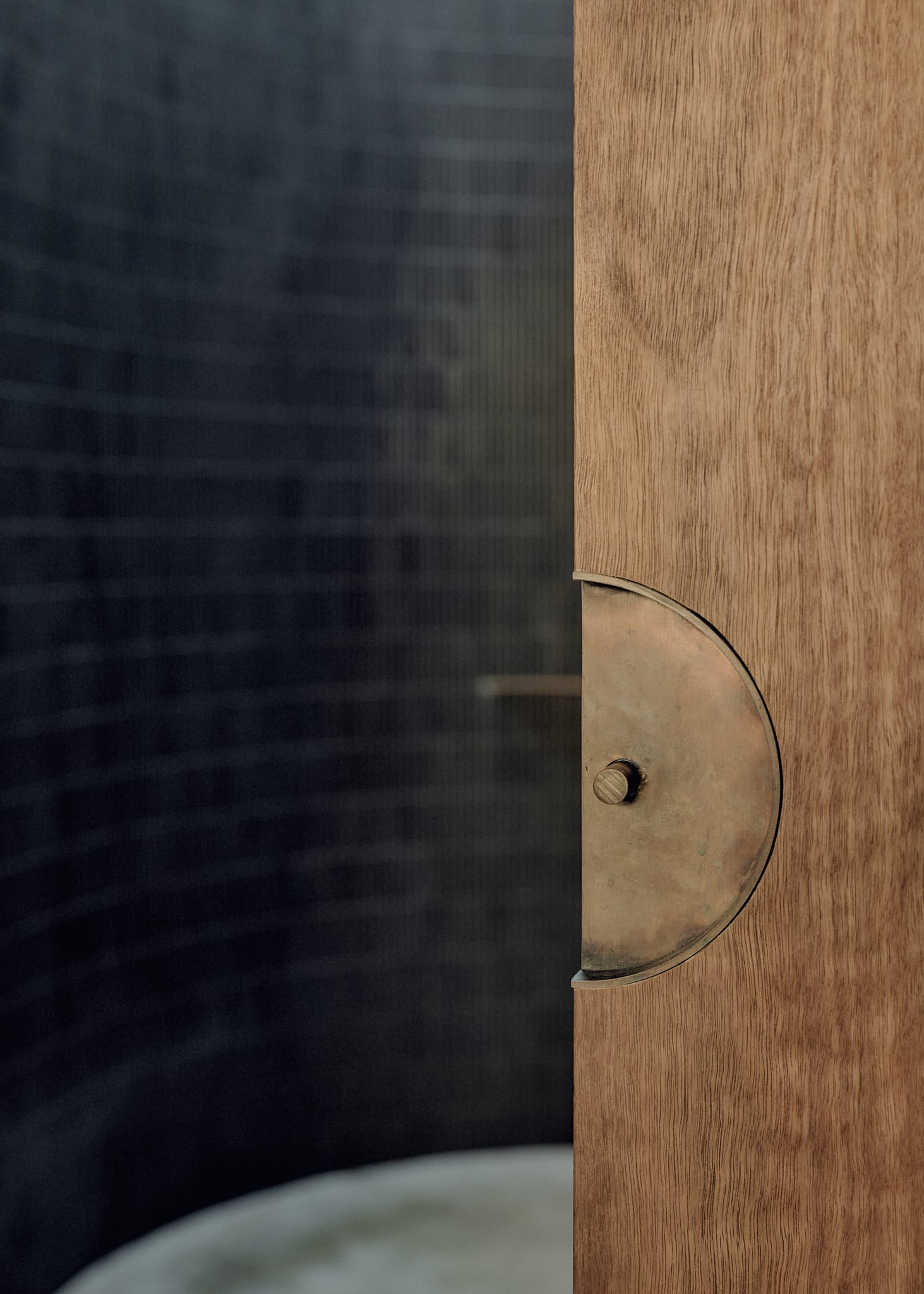
Throughout the home, pieces from the Casts Collection are set within the architecture as points of contact, their sand-cast Bronze and Aluminium surfaces built to weather alongside the brick and timber they meet.
Considered Touchpoints
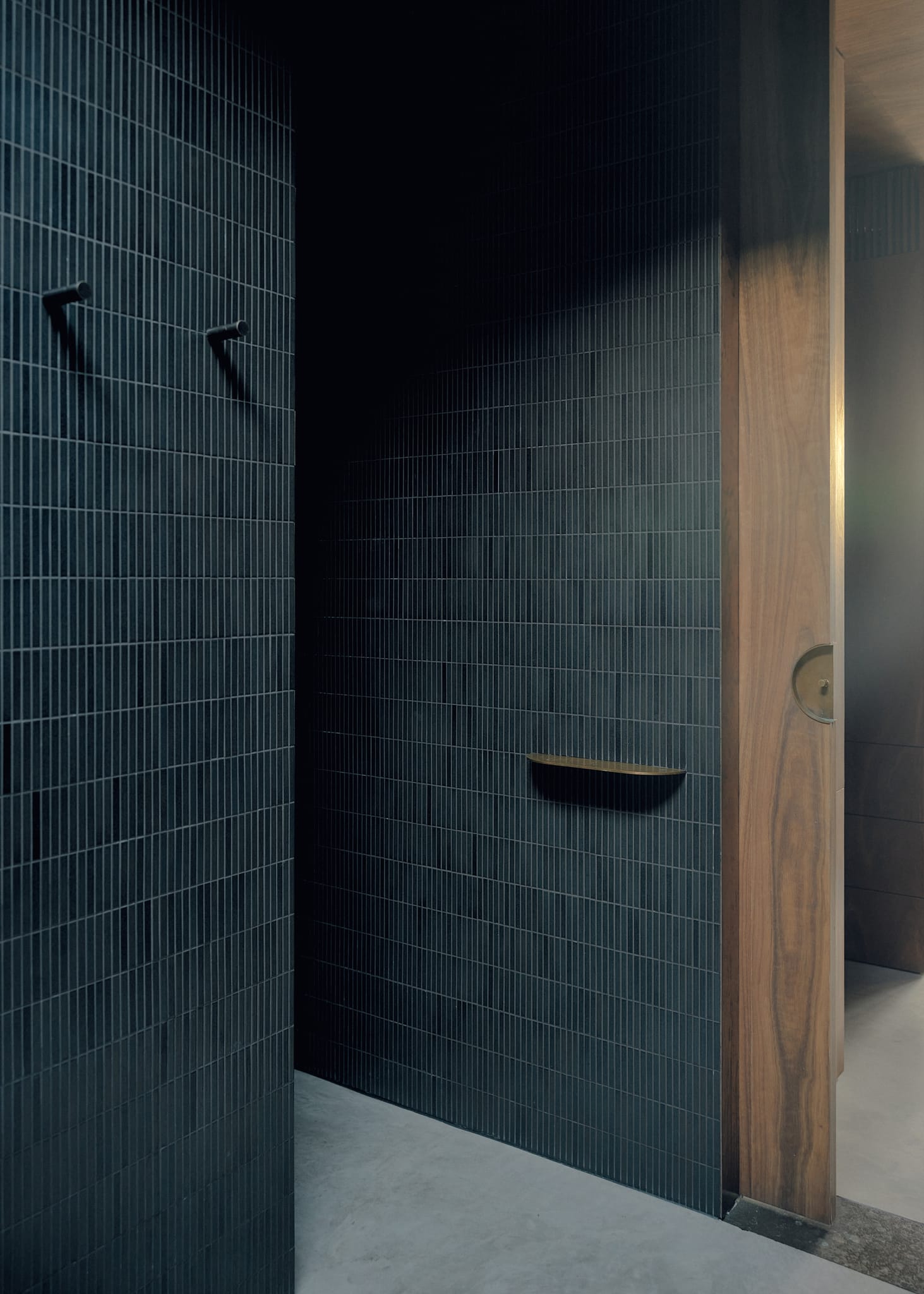
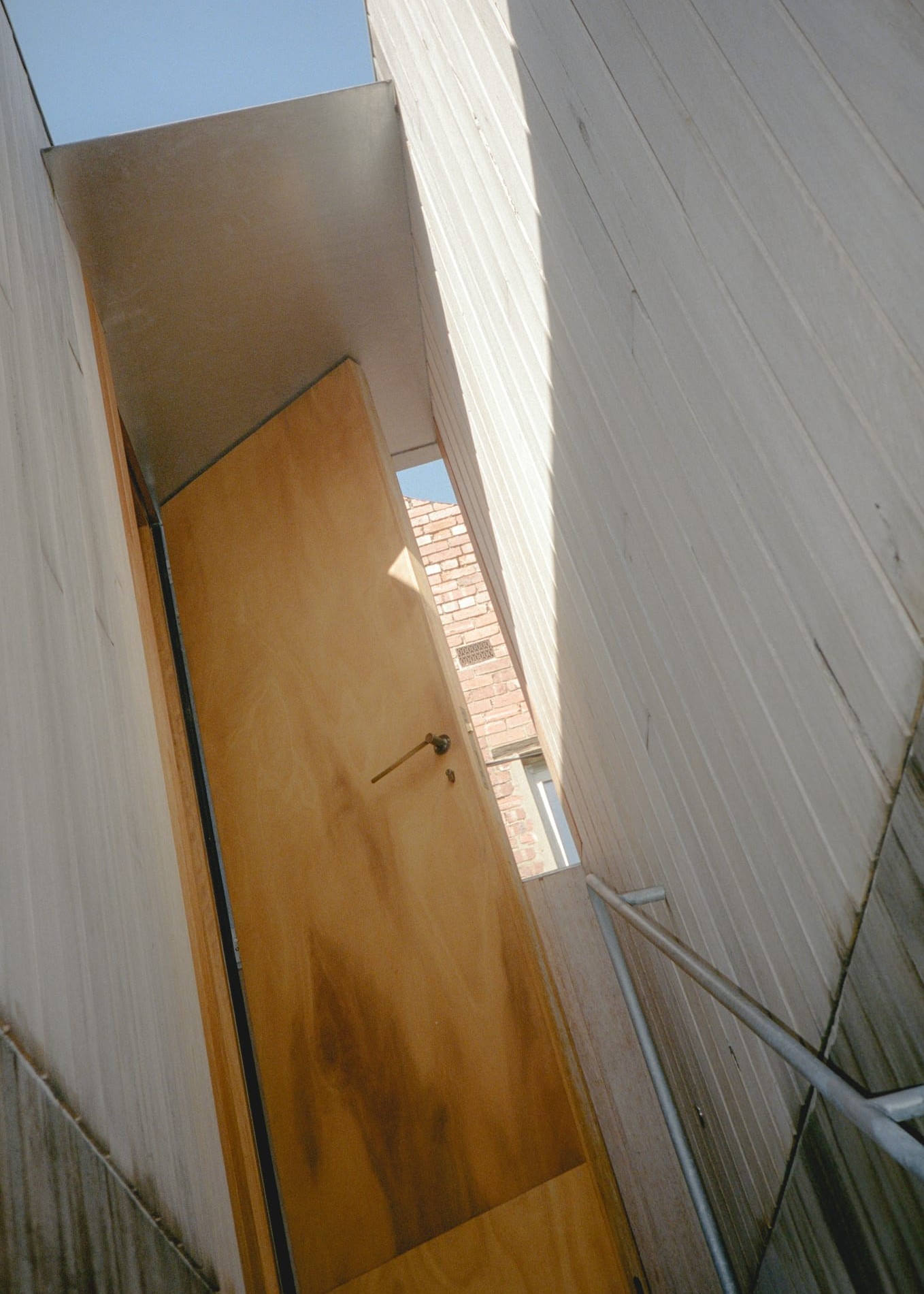
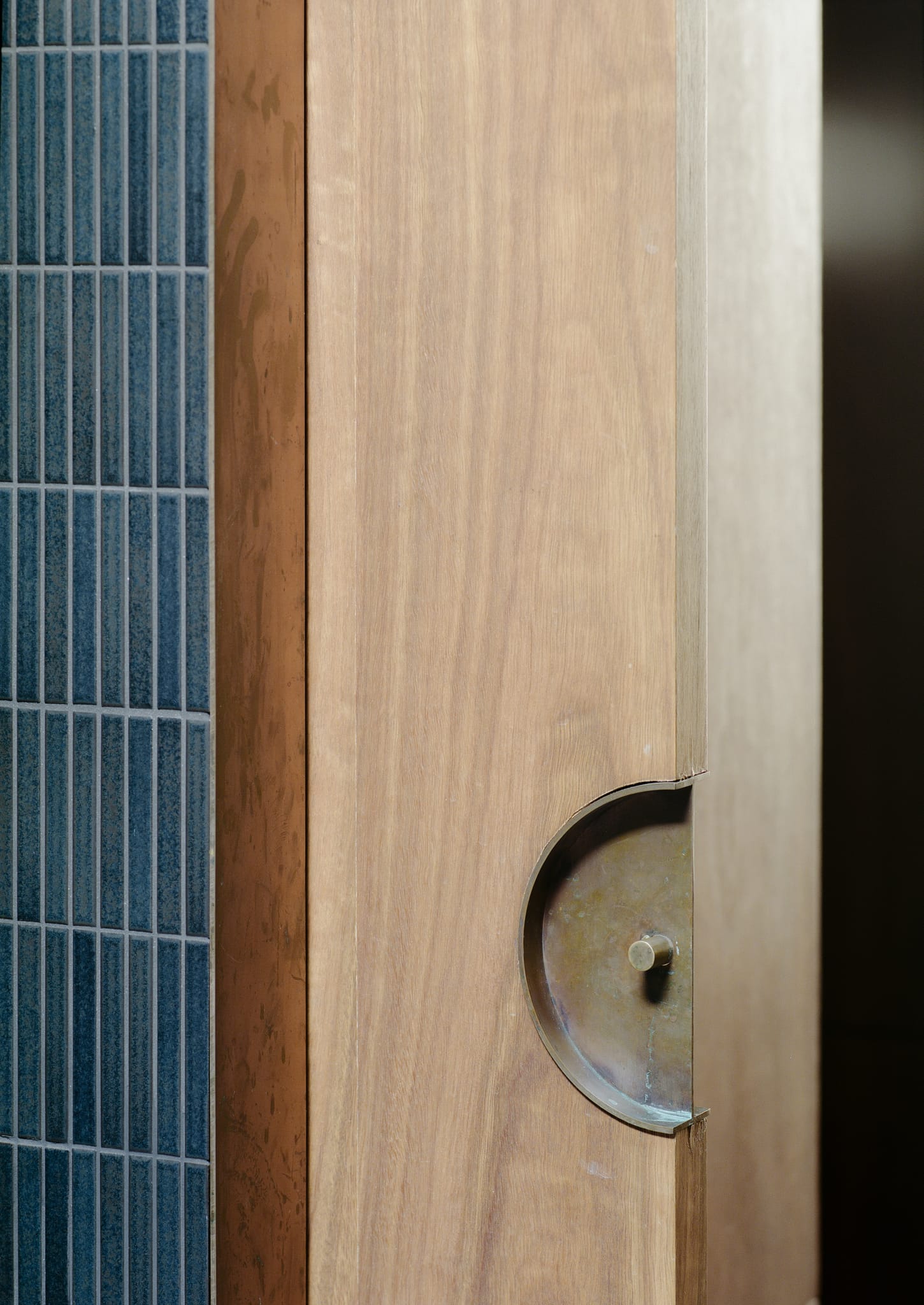
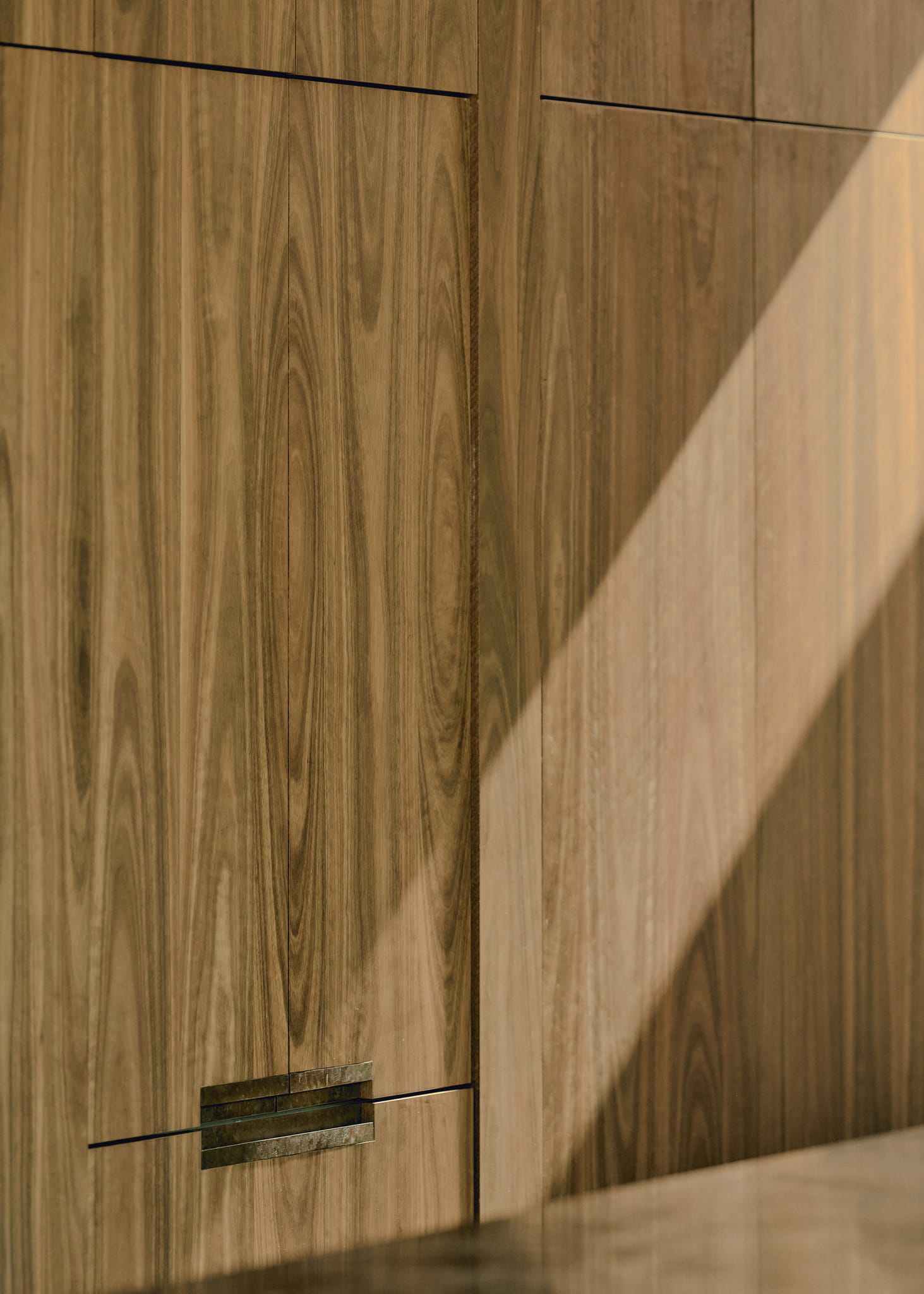
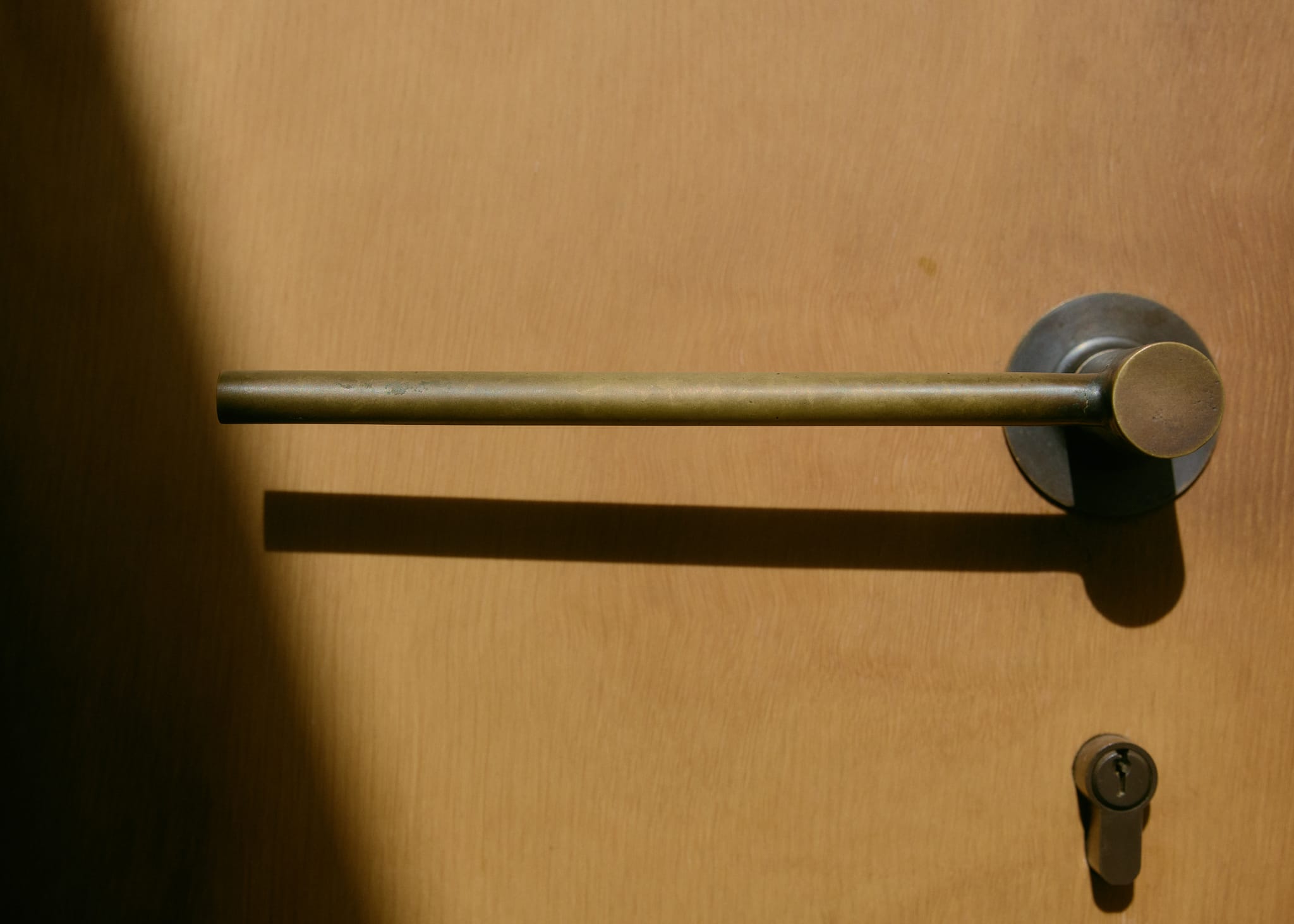
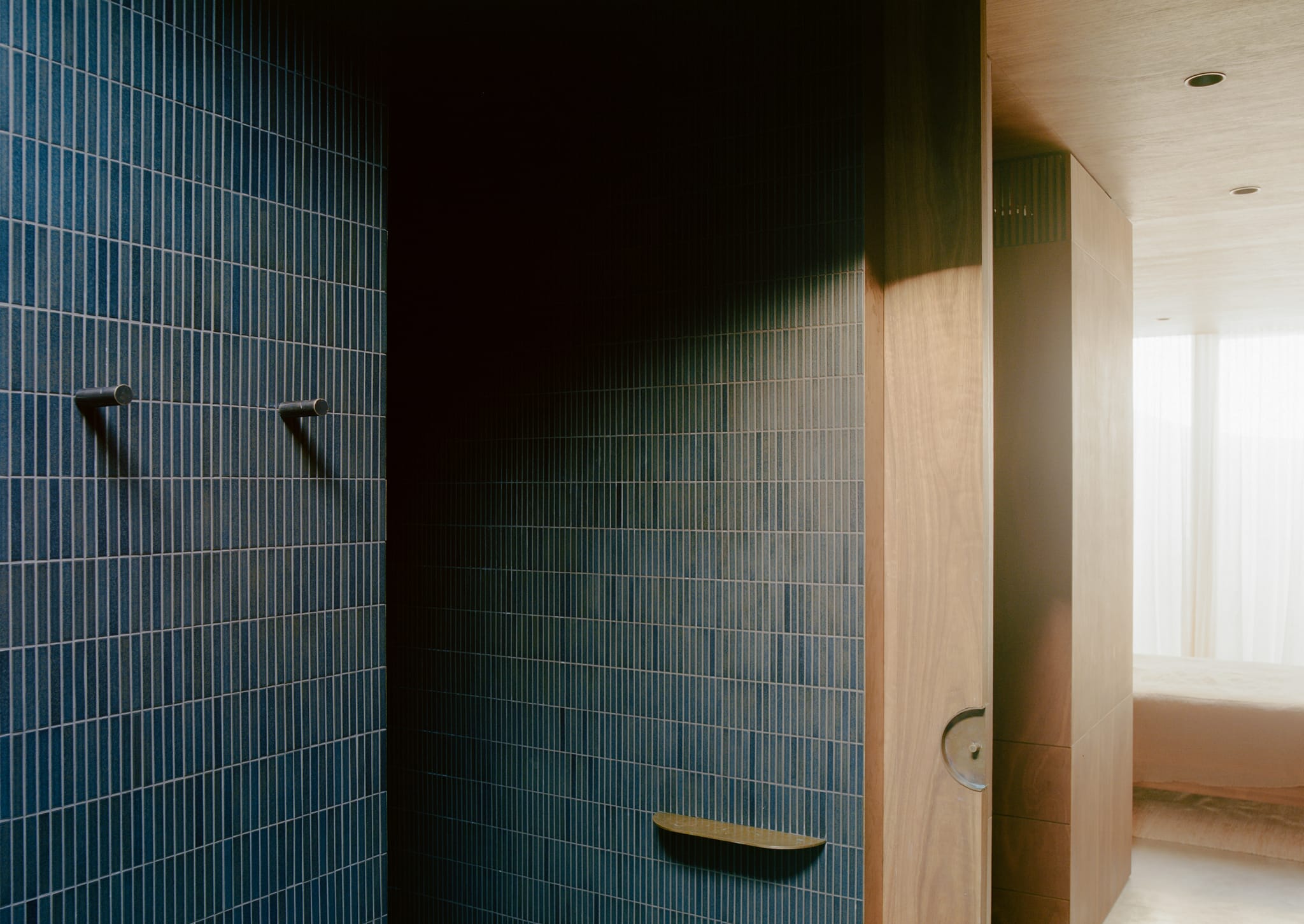
Bankston’s Casts Collection, developed in an open dialogue with Edition Office, was selected throughout Mary Street for a comparable honesty in material and process. Each piece — a series of levers, pulls, a snib, and a hook — is sand-cast in raw Bronze and Aluminium, chosen for their durability and for the way both metals mark and darken with handling over time. A Pull 03 in Bronze offers a recessed grip shaped for the hand, its surface left to oxidise and reveal the earthy, ochre depth of the raw metal beneath. Throughout the home’s internal doors, Lever 01 in Patinated Bronze continues this language, its rounded rose and considered proportion returning the everyday act of opening a door to something more deliberate.
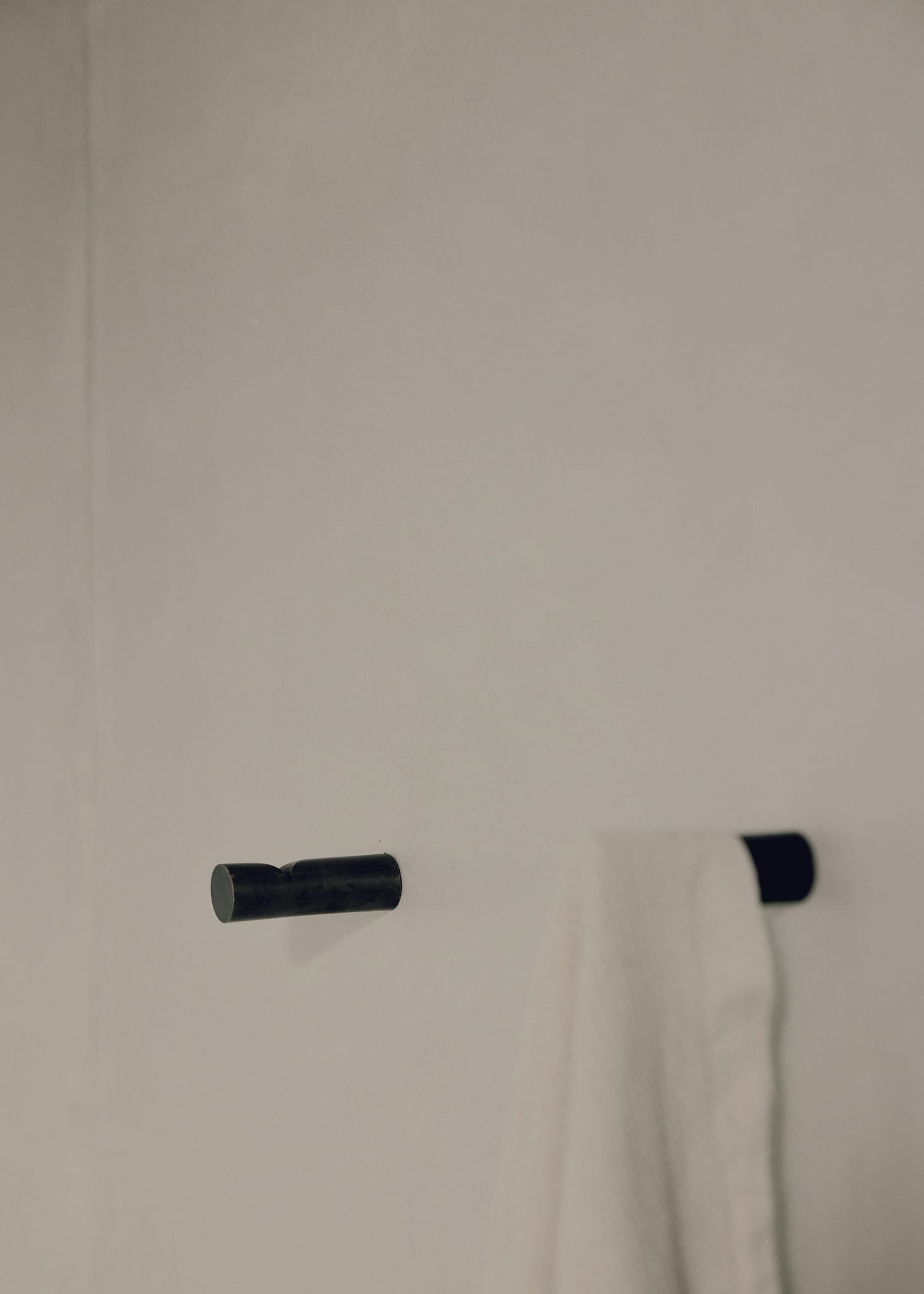
No two pieces share the same surface: the sandcasting technique leaves each with its own pitting and pour marks, a physical record of the making process rather than a flaw to be finished away. The Casts Collection Hook in Patinated Bronze marks a quieter moment — a small cylindrical form set into the wall, its inverted vault reading as much as an object of contemplation as one of use.
Considered at the points most touched or held within the home, the collection does not compete with Edition Office’s architecture. It sits within it, ageing alongside the brick and plywood it was designed to meet, so that the house and its hardware arrive at the same weathered character together.